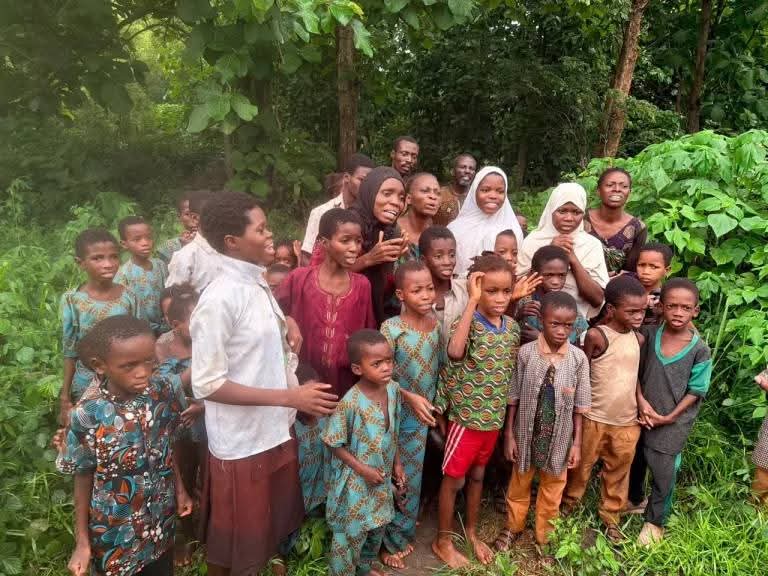
• The safe release of the kidnapped pupils and their teachers in Oyo State is a moment of relief and gratitude for their families, schools, and all Nigerians. We thank everyone whose efforts contributed to their safe return.

    But as we celebrate, we must ask an important question:

    What happens next?

    Kidnapping does not end when victims regain their freedom. Many survivors carry invisible wounds; fear, anxiety, nightmares, emotional distress, and trauma that can persist long after the headlines fade.

    For these children and their teachers, psychological recovery is just as important as physical recovery. Without timely mental health and psychosocial support, unresolved trauma can affect their education, relationships, self-esteem, and future. In some cases, untreated childhood trauma may increase the risk of harmful behaviours later in life.

    We call on the Federal Government of Nigeria, the ministry of Education, the Oyo State Government, UNICEF and healthcare providers, schools, and communities to work together to ensure these survivors receive:

    • Comprehensive medical care.
    • Trauma-informed psychological support.
    • Professional counselling.
    • Long-term follow-up and reintegration support.

    Just as importantly, we must protect them from stigma and respect their dignity. Healing happens best in safe, supportive, and compassionate environments.

    At the Global Mental Health Ambassador Network (GMHAN), we believe that rescue is not the end of the story, it is the beginning of recovery.

    A nation that truly protects its children must care not only for their physical safety but also for their mental well-being.

    Because surviving captivity is one victory. Healing from its trauma is another.

    AMB. Bootyin Alice Peter
    Global President, Global Mental Health Ambassador Network.
    Oyo State Government Ministry of Education Global Mental Health Advocacy Network

  • Marketplaces are more than centres of commerce. They are vibrant community spaces where people from all walks of life meet every day. They provide a unique opportunity to promote mental health awareness, reduce stigma, and encourage individuals to seek help without fear or shame.

    The Global Mental Health Ambassador Network proudly commends the Taraba State Chapter, under the leadership of AMB Muneer Nuhu Kato, for taking mental health advocacy directly to the marketplace. Through this impactful outreach, the team engaged traders, customers, and community members in meaningful conversations about mental health, emotional well-being, and the importance of supporting one another.

    This initiative reflects our commitment to ensuring that mental health education reaches every corner of society. By meeting people where they are, we are breaking barriers, fostering understanding, and building healthier, more resilient communities.

    We celebrate the dedication and leadership of the Taraba State team and encourage other chapters to replicate this people-centred approach. Together, we can make mental health awareness accessible to everyone, everywhere.

    Mental Health Matters. Every Voice Counts. Every Marketplace Can Become a Place of Hope.

  • Why Every Man Should Stay Active.

    How Physical Activity Helps Men Build Better Mental Health.

    As Men’s Mental Health Awareness Month continues, conversations around men’s wellbeing are becoming more important than ever. While professional support and open conversations are essential, one of the most effective and accessible ways to improve mental health is through regular physical activity and sports.

    Many men face daily pressures related to work, finances, family responsibilities, and societal expectations. Unfortunately, these challenges often go unspoken, leading to stress, anxiety, loneliness, depression, and, in some cases, harmful coping behaviors. Sports provide a healthy and practical way to manage these emotional burdens.

    The Mental Health Benefits of Sports:

    Engaging in sports and regular exercise offers numerous mental health benefits, including:

    • Reducing stress, anxiety, and symptoms of depression.
    • Improving mood through the release of endorphins, the body’s natural “feel-good” chemicals.
    • Boosting self-esteem and confidence.
    • Promoting better sleep and increased energy.
    • Creating opportunities for friendship, teamwork, and social connection.
    • Providing a healthy outlet for managing anger, frustration, and emotional pressure. Whether it is football, basketball, volleyball, cycling, jogging, or a simple daily walk, every form of physical activity contributes to better mental wellbeing.

    GMHAN Borno State Encourages Men to Prioritize Their Mental Health:

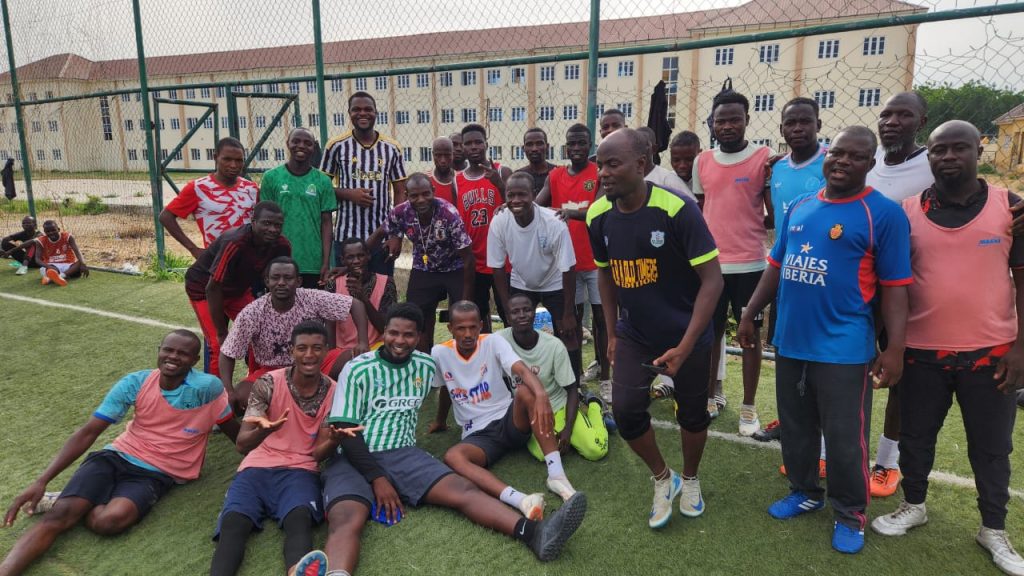
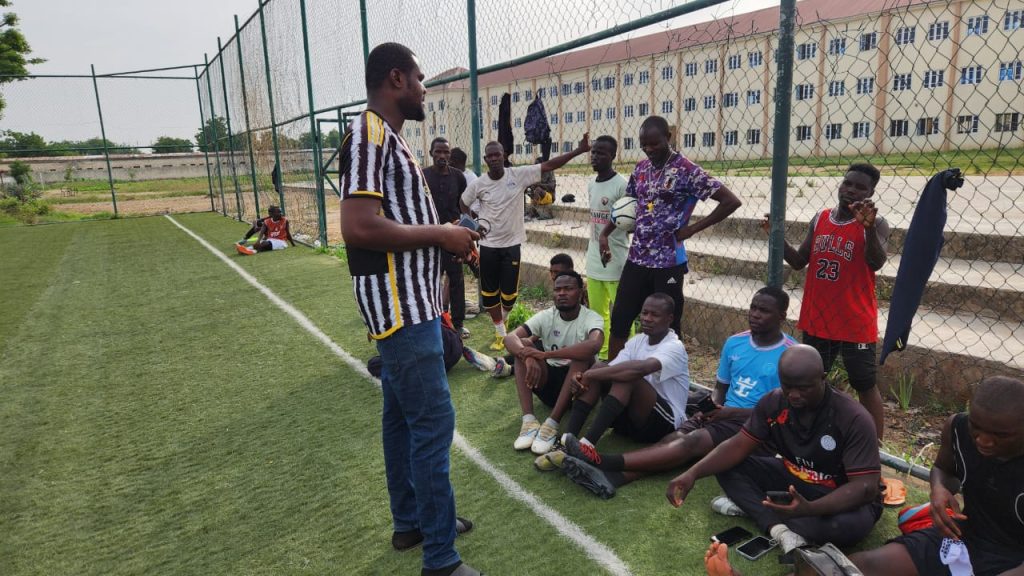
    In commemoration of Men’s Mental Health Awareness Month, the Global Mental Health Ambassador Network, Borno State Chapter, under the leadership of AMB. Dr. Zakka Kaku, State Coordinator, organized a sports and fitness activity to encourage men to make physical activity part of their daily lives.

    The initiative highlighted the strong relationship between sports and mental health while creating an environment where men could interact, exercise, build friendships, and support one another. It reinforced the message that maintaining good mental health is not only about seeking help when problems arise but also about adopting healthy habits that prevent emotional distress.

    Breaking the Silence Through Action:

    Many men struggle in silence because they fear being judged or appearing weak. Sports create safe spaces where men can connect with others, reduce feelings of isolation, and improve both their physical and emotional wellbeing. Physical activity alone may not solve every mental health challenge, but it is a powerful tool that complements professional care, family support, and community engagement.

    A Call to Action!

    The Global Mental Health Ambassador Network encourages every man to make time for physical activity. Even 30 minutes of exercise several times a week can make a meaningful difference.

    This Men’s Mental Health Awareness Month, let us inspire more men to move their bodies, strengthen their minds, speak openly about their struggles, and support one another.

    Healthy Body. Healthy Mind. Stronger Men. Stronger Communities.

  • Mental Health Has a Place in Our Correctional Facilities

    Behind the walls of Nigeria’s correctional centres are thousands of men carrying invisible wounds. While many are serving sentences for criminal offences, others are battling depression, trauma, anxiety, substance use disorders, anger management challenges, and emotional distress. Some made life-changing mistakes during moments when they lacked the support needed to manage their mental health.

    For many inmates, imprisonment is only one part of their struggle. Without access to mental health support, rehabilitation becomes incomplete, and reintegration into society after release is made even more difficult by stigma, discrimination, and untreated psychological challenges.

    In commemoration of Men’s Mental Health Month, the Global Mental Health Ambassador Network (GMHAN) continues to champion the message that every man deserves hope, healing, and an opportunity to speak without fear of judgment.

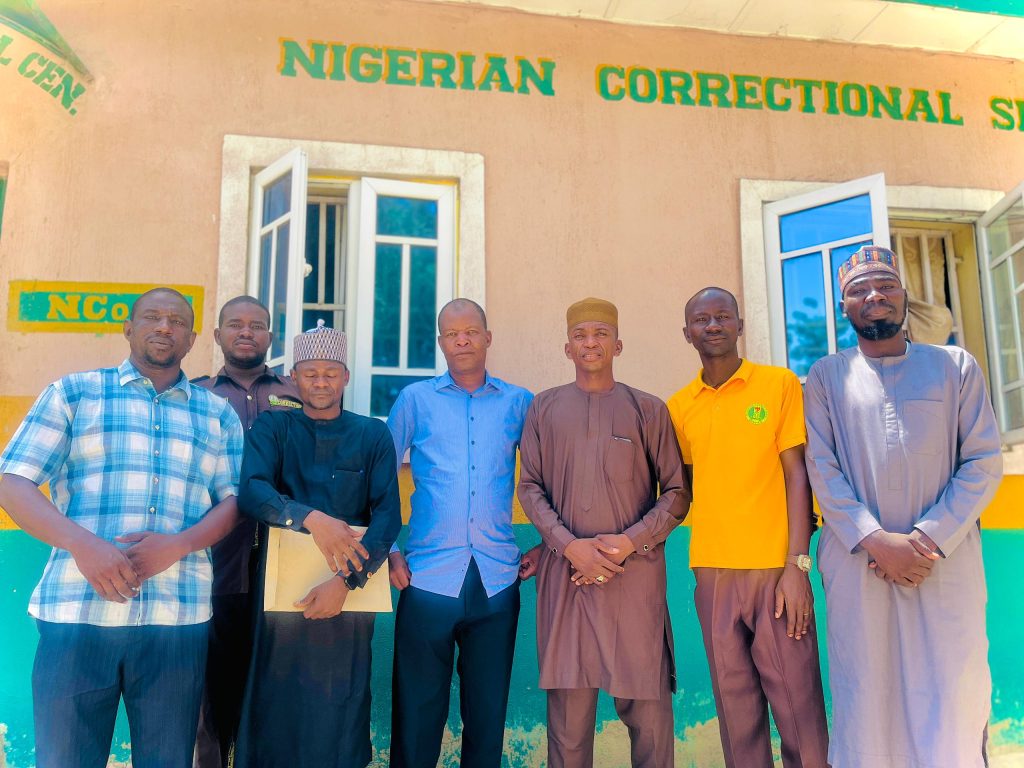
    As part of this campaign, the Yobe State Chapter, under the leadership of Ambassador Babagana Muhammad Aji, visited the Nigerian Correctional Service, Nguru Custodial Centre, Yobe State, where the team engaged inmates in conversations on mental health awareness, emotional wellbeing, resilience, and the importance of seeking help.

    This outreach reflects our belief that mental health advocacy must extend to every corner of society, including correctional facilities, where hope can transform lives and rehabilitation can begin from within.

    We proudly celebrate the commitment of our Yobe State ambassadors and every volunteer working tirelessly to ensure that no one is left behind.

    Let us replace stigma with compassion. Let us replace silence with conversation. Let every man know that seeking help is a sign of strength, not weakness.

  • If we want to build a generation of emotionally resilient men, mental health awareness must become part of our education system, beginning in secondary schools. Teaching young people how to recognize emotional challenges, communicate openly, and seek support can have a lasting impact on their lives and communities.

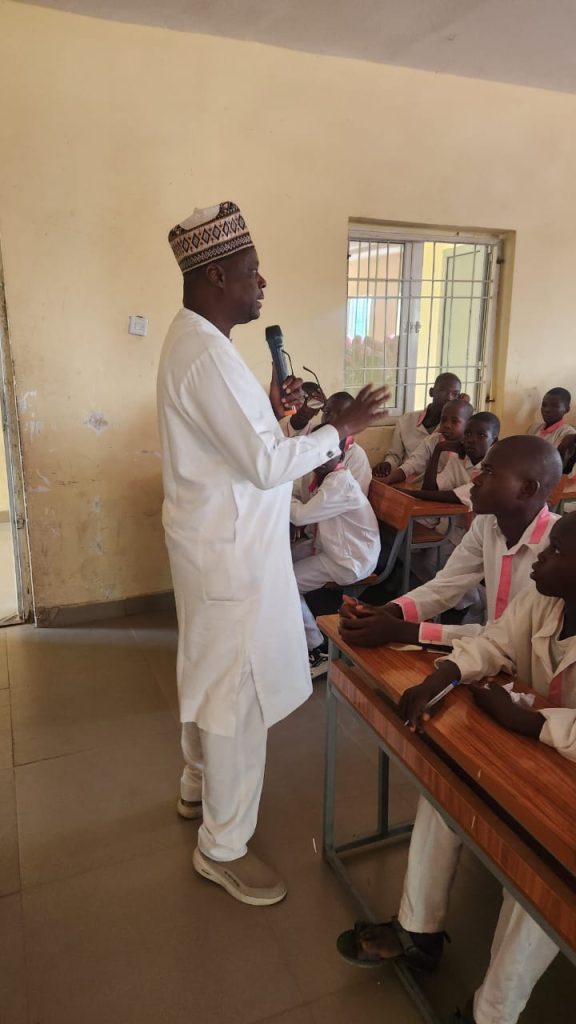
    This commitment was demonstrated during the Men’s Mental Health Campaign organized by the Global Mental Health Ambassador Network in Maiduguri, Borno State, under the leadership of Dr. Zakka Kaku, State Coordinator. The initiative engaged secondary school students in meaningful conversations about mental health, encouraging them to understand that asking for help is a sign of courage, not weakness.

    Creating a mentally healthy society begins with early intervention. Let us empower our young people with the knowledge and confidence to speak up because silence is never the answer.

  • Every Mind Matters

    Imagine trying to learn, work, build relationships, or pursue your dreams while carrying an invisible burden that affects your thoughts, emotions, relationships, and daily functioning. For millions of people around the world, both young and old, this is a daily reality. Yet mental health is often overlooked, underfunded, and treated as an afterthought.

    Mental illness is frequently misunderstood as a lack of self-discipline, weakness, or simply “too much worry.” In reality, mental illness affects people just as physical illnesses do.

    Mental health refers to a person’s ability to perform daily tasks, interact positively with others, adapt to life’s challenges, and function effectively within their community. It is reflected in how individuals think, feel, behave, and respond to situations around them.

    The truth is simple: Mental health is not a luxury. It is a basic human right.

    Mental health influences how we think, feel, act, cope with stress, make decisions, and relate to others. It affects every aspect of life, from education and employment to family relationships and community participation.

    Just as every person deserves access to physical healthcare, every person deserves access to mental health support and services without discrimination or barriers. Without mental wellbeing, individuals may struggle to enjoy other fundamental rights and opportunities.

    Every human being deserves to live with dignity, hope, and purpose. When mental health needs are ignored, people may experience stigma, discrimination, isolation, and unnecessary suffering.

    Recognizing mental health as a human right means ensuring that people can access quality mental health services without fear, shame, or financial hardship. It also means integrating mental health services into primary healthcare and ensuring mental wellbeing is considered in all aspects of healthcare delivery.

    The ability of an individual to respond positively to physical treatment often depends on their mental state. Before major medical procedures such as surgery, healthcare professionals assess a patient’s mental capacity and obtain informed consent. This demonstrates the close connection between mental and physical health.

    Good mental health promotes healing, while untreated mental health conditions can contribute to physical health problems such as cardiovascular disease, chronic headaches, fatigue, and weakened immunity.

    Mental health is closely connected to many other human rights.

    Right to Education

    Students learn best when they feel emotionally safe, supported, and mentally healthy. In environments characterized by discrimination, bullying, intimidation, insecurity, or unhealthy disciplinary practices, learning becomes difficult because students struggle to concentrate and engage effectively.

    Creating mentally healthy and supportive learning environments is essential for academic success. Mental health education should be included in school curricula from primary education through higher institutions. Teachers and educators should also receive mental health training to help them support students while promoting positive learning outcomes.

    Right to Work:

    Workplace mental health should be a priority because good mental health improves productivity, creativity, teamwork, and overall workplace wellbeing.

    Healthy workplace relationships should be encouraged to prevent bullying, harassment, and discrimination. Employers should promote stress management, fair treatment, and job security to ensure that workers maintain their mental wellbeing and perform at their best.

    Right to Participation:

    Healthy minds empower people to participate actively in their communities and contribute meaningfully to society.

    Gender discrimination, stigmatization, economic disparities, and social inequality can negatively affect mental health and, in some cases, contribute to mental illness and substance abuse. Every individual should have the opportunity to participate in societal development regardless of gender, educational background, health status, disability, or economic condition.

    Right to Health:

    Mental health is an essential component of overall health and wellbeing. Mental health services should be available and accessible, particularly at community health centres and primary healthcare facilities.

    Healthcare workers should possess basic knowledge of Psychological First Aid and mental health support to assist patients while attending to their physical health needs. There can be no complete health without mental health.

    Right to Safety and Protection:

    People affected by trauma, violence, displacement, disasters, conflict, or crisis require mental health support to recover and rebuild their lives.

    Trauma contributes significantly to depression, anxiety, substance misuse, and suicide. Governments and policymakers should enact and enforce laws that protect human dignity, safety, and wellbeing. Insecurity, conflict, and violence have become major contributors to psychological distress and mental instability in many parts of the world.

    One of the greatest barriers to mental healthcare is stigma. Many people suffer in silence because they fear judgment, discrimination, rejection, or social exclusion.

    People are often labelled or judged based on their mental health conditions. As a result, many avoid seeking treatment even when they desperately need support. We must remember that no human being should be defined by their challenges or struggles.

    Let humanity come first. Let stigma never be a barrier to seeking help.

    By raising awareness, promoting education, and encouraging open conversations, we can create communities where seeking help is viewed as a sign of courage and strength rather than weakness.

    At the Global Mental Health Ambassador Network (GMHAN), we believe that mental wellbeing should be accessible to everyone, everywhere. We are committed to promoting mental health awareness, advocacy, education, research, and support across communities and nations.

    We stand against stigma and discrimination.

    We advocate for inclusive mental health policies, increased funding for mental health services, and equal access to quality care for all.

    A society cannot thrive when mental health is ignored. Families become stronger, communities become healthier, and nations become more resilient when mental wellbeing is protected and prioritized.

    As we continue to advocate for a better future, let us remember this important truth:

    Mental health is not a luxury. It is a basic human right.

    Together, let us build a world where every mind is valued, every voice is heard, and every person has the opportunity to thrive.
  • WELCOME.

    We are a global community of passionate advocates committed to promoting mental health awareness, strengthening psychosocial support, and empowering individuals and communities to thrive.

    Here, we believe that mental health matters, every voice deserves to be heard, and no one should struggle alone.

    Together, we are raising awareness, building leaders, and creating a world where mental well-being is understood, supported, and prioritized.

    🌍 Join us. Advocate with us. Transform lives with us.

GLOBAL MENTAL HEALTH AMBASSADOR NETWORK

Promoting Mental Health Awareness, Advocacy, and psychosocial support Globally.